
An acupuncture technique, explained
Tung Acupuncture
Newcastle Georgetown
If you have heard of Tung acupuncture, you may be wondering why a needle can be placed away from the area that is bothering you. Here is a straightforward look at the approach, what is known and what to discuss before deciding on treatment.
📜 AHPRA Registered
🌐 20+ Years Experience
📜 AACMA Member
01 / The essentials
What is tung acupuncture?
Tung acupuncture, also known as Master Tung acupuncture, is a traditional style of acupuncture that uses its own system of points and techniques. It takes its name from Master Tung Ching-Chang, who taught and helped develop this approach.
One of the interesting features of Tung acupuncture is something called distal needling. This simply means placing needles away from the area you're concerned about. For example, we might use a point on your hand or leg rather than directly where you're experiencing symptoms.
Tung acupuncture is one of several techniques we may consider during treatment. It's not necessarily better than other approaches, and it won't be suitable for everyone. We'll start by discussing your concerns, medical history and preferences, then look at which approach may be appropriate for you. You don't need to decide on a technique before your appointment.

A distinct point system
Tung acupuncture uses its own point descriptions and selection methods.
Assessment comes first
The technique is an option to discuss, not a standard recommendation for everyone.
Individual approach
We consider your needs, medical history and preferences before deciding whether this technique is appropriate.
02 / A little context
A traditional system, passed on through teaching
01 / Background
Master Tung's approach
Tung acupuncture takes its name from Master Tung Ching-Chang, who taught a style of acupuncture linked to his family's traditions. His teachings helped shape the approach we know today as Master Tung acupuncture.
02 / Point selection
A different approach to acupuncture points
Tung acupuncture uses its own system of acupuncture points, including some that aren't part of the standard acupuncture system. Point selection is based on traditional Chinese medicine principles and relationships between different areas of the body.
03 / Today
How Tung acupuncture is practised today
Different teachers have developed their own ways of explaining and practising Tung acupuncture. Researchers have also studied aspects of the technique, although the evidence varies depending on the condition and approach being investigated.
Practitioner perspective · 01
The reasoning behind the technique
“What's interesting about Tung acupuncture is the way it approaches point selection. We don't always need to place needles directly where someone is experiencing symptoms. We may consider points on another part of the body, depending on the assessment.
For me, the important thing is understanding the person first, then deciding whether this approach is appropriate.”
Adrian Taricani · Acupuncture Practitioner
03 / Inside the process
Why might a needle be placed away from the sore area?
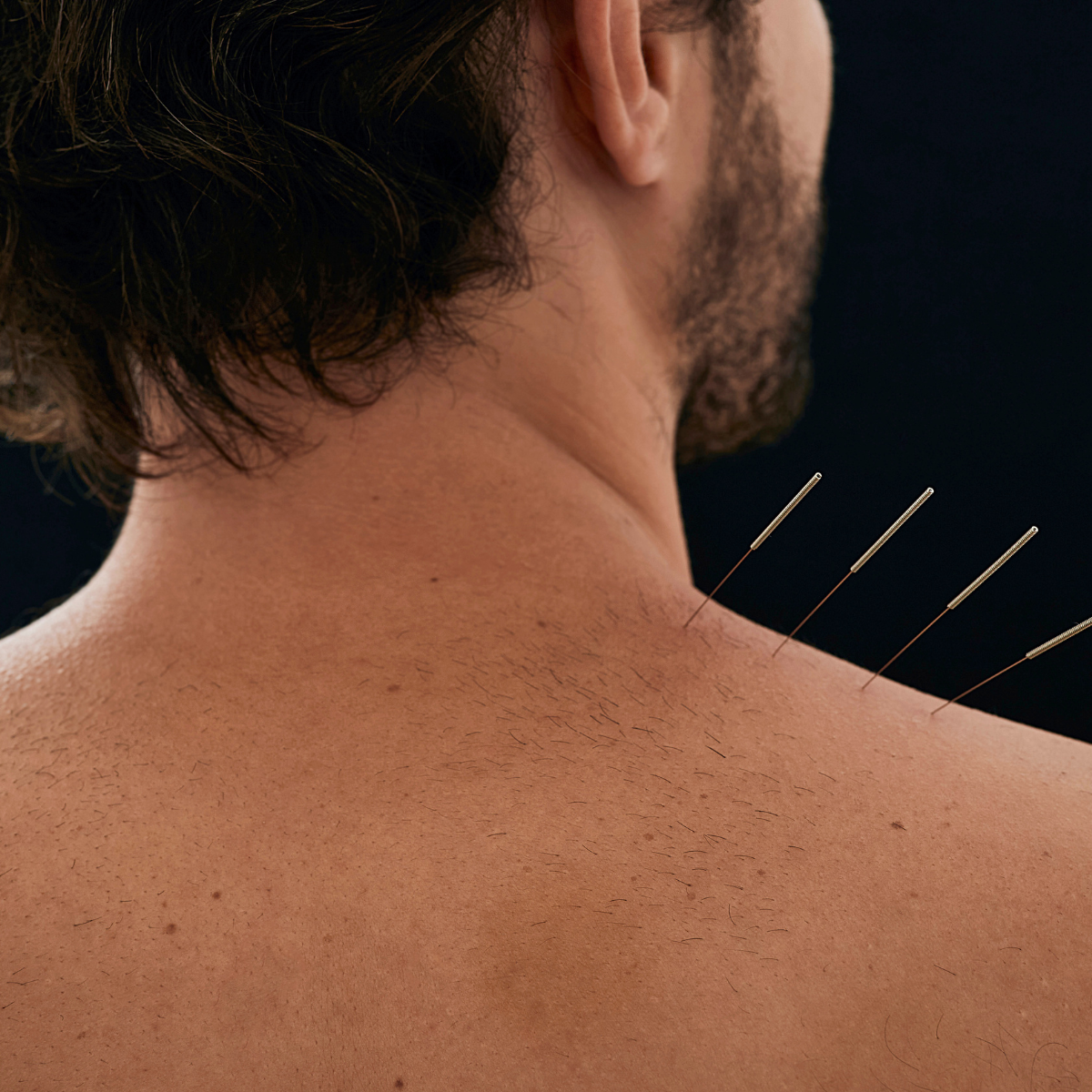
One of the interesting things about Tung acupuncture is that we don't always place needles where you're experiencing symptoms. For example, if you're having discomfort in one area, we may consider acupuncture points on your arms or legs instead. This is known as distal needling, and the points we choose depend on your individual assessment.
In traditional Tung acupuncture, there are different ways of understanding how areas of the body relate to one another. These are part of the traditional system of point selection, rather than scientifically established anatomical connections. Modern research has explored how acupuncture may affect the nervous system, but there's still a lot we don't fully understand.
Research into Tung acupuncture is ongoing, and the evidence varies depending on the condition being studied. It's important to consider what the research tells us, along with your medical history, preferences and other available options. We'll also discuss how we can review your treatment plan as we go.
Useful questions to ask
-
Why might Tung acupuncture be appropriate for me?
-
What does the research say about my particular concern?
-
Are there other approaches we could consider?
-
How will we review my treatment plan?

04 / Clinical judgement
How I approach Tung Acupuncture
Choosing an acupuncture technique starts with understanding you and your concerns. During your consultation, we'll talk about your symptoms, medical history, any treatment you're already receiving and what you're comfortable with. From there, we can discuss whether Tung acupuncture is an appropriate option.
Training & experience
Tung acupuncture has its own system of points and methods, so understanding how the technique is traditionally taught and applied is an important part of using it. We can discuss my experience with the technique and answer any questions you have about my approach.
Selecting an approach
Tung acupuncture is one of several techniques we may consider. Whether we use it depends on your individual circumstances, including any precautions that may apply. We'll explain the proposed approach, discuss possible risks and consider alternatives before proceeding.
Reviewing the plan
Your treatment plan isn't set in stone. We'll check in about your experience, review any changes in your symptoms and discuss whether continuing or adjusting the approach makes sense. Where appropriate, we'll also consider other healthcare services or referrals.
Practitioner perspective · 02
A considered approach to care.
“Before deciding on any acupuncture technique, I like to understand what's going on for the person in front of me. We talk about their symptoms, medical history and any other care they're receiving.
Tung acupuncture is one of the approaches I may consider, but it's not automatically the right choice for everyone. The assessment comes first, and then we work out what may be appropriate together.”
Adrian Taricani · Acupuncture Practitioner
05 / Your visit
What to expect during an appointment
Let's talk about what's going on
We'll start by talking about your symptoms, medical history and how you've been feeling. It's helpful to bring along any relevant test results and a list of medications you're taking. We'll also discuss any other treatment you're receiving.
Looking at your options
We'll talk about whether Tung acupuncture may be appropriate for you, why we might consider it and what other options are available. I'll explain what the treatment involves, including any relevant risks, so you can make an informed decision.
Choosing the acupuncture points
If we decide to use Tung acupuncture, I'll explain where the needles will be placed and why. Some points may be away from the area you're concerned about. We use sterile, single-use needles and take care to assess the safety of each point.
During your treatment
Everyone experiences acupuncture a little differently. You might notice a dull ache, pressure or other sensations around the needles. Let me know if anything feels uncomfortable or concerning. We can adjust, pause or stop the treatment whenever you need.
Reviewing how you're going
After your treatment, we'll talk about how you're feeling and answer any questions you have. There's no set number of sessions that suits everyone. We'll review your progress and discuss whether further treatment or a different approach is appropriate.
Precautions & suitability
Before treatment, it's important to let me know if you're pregnant, taking blood-thinning medication, have a bleeding disorder, skin condition, allergies or a history of fainting. Please also mention any previous reactions to acupuncture and other medical care you're receiving.
Like other forms of acupuncture, Tung acupuncture has some risks. These can include temporary soreness, bruising, minor bleeding or feeling light-headed. Serious complications, such as infection or injury to internal structures, are uncommon but possible. We'll discuss the risks relevant to your treatment before proceeding.
Acupuncture shouldn't replace necessary medical care or delay a medical diagnosis. If you develop new or worsening symptoms, it's important to seek medical advice. Sudden weakness, loss of bladder or bowel control, chest pain or difficulty breathing require urgent medical attention. Call 000 in an emergency.
You're always in control of your treatment. You can ask questions, request a change, take a break or stop at any time.
“We don’t believe in one-size-fits-all approaches. Every management plan is designed around your unique health story, symptoms, and goals.”
Practitioner perspective · 03
What makes this technique worth understanding
“What I find interesting about Tung acupuncture is that it gives us a different way of thinking about acupuncture points. We might use points on the hands or legs, even when someone's symptoms are somewhere else.
It's a technique with its own history and approach, and one of several methods I can consider in practice. The important thing is choosing an approach that makes sense for the individual, rather than assuming one technique is better than another.”
Adrian Taricani · Acupuncture Practitioner
Have Questions?
Frequently Asked Questions About Tung Acupuncture
1. What is Tung acupuncture?
Tung acupuncture, also called Master Tung acupuncture, is a traditional style of acupuncture with its own system of points and methods. It takes its name from Master Tung Ching-Chang, who taught this approach. One of its features is the use of points away from the area where you're experiencing symptoms.
2. How is Tung acupuncture different from regular acupuncture?
The main difference is how acupuncture points are selected. Tung acupuncture uses its own point system, including points that aren't part of the standard acupuncture system. It also commonly uses distal needling, where needles are placed away from the area of concern. Neither approach is necessarily better than the other.
3. Does Tung acupuncture hurt?
Most people notice some sensation when acupuncture needles are inserted. You might feel a little pressure, a dull ache or some discomfort. Everyone experiences needling differently. If anything feels painful or uncomfortable, let me know. We can adjust or stop the treatment at any time.
4. What conditions is Tung acupuncture used for?
Tung acupuncture has traditionally been used for a range of concerns, including muscle and joint pain, headaches and other physical symptoms. Researchers have also explored some of these applications, although the quality and strength of the evidence vary. During your consultation, we'll discuss your particular concerns, what the research tells us and whether this approach may be appropriate for you.
5. Is Tung acupuncture safe for everyone?
Not necessarily. Like other forms of acupuncture, Tung acupuncture involves some risks and precautions. Before treatment, we'll discuss your medical history, medications and anything else that might affect your suitability. The decision to use Tung acupuncture is based on your individual circumstances, rather than assuming it's appropriate for everyone.
6. How many Tung acupuncture sessions will I need?
There's no set number of sessions that suits everyone. It depends on your circumstances, the reason you're seeking care and how things develop. We'll discuss the proposed approach, review your experience and decide together whether further appointments are appropriate. There are no guaranteed outcomes.
08 / Explore the approaches
Other acupuncture techniques
Tung Acupuncture
A traditional style of acupuncture that uses its own system of points, often placing needles away from the area of discomfort. It offers a different approach to selecting acupuncture points.
Tan's Balance Method
An acupuncture technique that looks at relationships between different parts of the body. It uses these connections to guide where needles are placed, sometimes away from the area of concern.
Neoclassical Acupuncture
A modern approach to acupuncture that uses a distinctive system of assessment and point selection. It focuses on identifying which acupuncture points may be appropriate for each individual.
Motor Point Acupuncture
An approach that focuses on specific points associated with muscles and their nerve supply. It involves selecting acupuncture points based on the muscles being assessed.
Dry Needling
A needling technique that focuses on muscles and areas of muscular tension. It uses fine needles placed in selected areas, with the approach guided by an assessment of the muscles.
Electroacupuncture
A form of acupuncture where a small electrical current is passed between selected needles. The stimulation can be adjusted during treatment according to the individual's needs and comfort.
09 / Further context
Related conditions & services
These pages provide general context, not an indication that Tung acupuncture. is suitable or effective for a particular condition. Individual assessment and relevant evidence remain essential.
Acupuncture
The broader approach, appointment options and technique overview.
Nerve pain & sciatica
Understanding symptoms and when medical assessment matters.
Hip & back pain
General information about assesment and considerations
Soft tissue therapt
Explore a seperate service and discuss its suitability
12 / About your care
Meet Adrian Taricani
With years of clinical experience working with people across Newcastle and the Hunter, Adrian combines his knowledge of Traditional Chinese Medicine with a caring, personalised approach. His experience with acupuncture techniques, including Tung acupuncture, means taking the time to understand your concerns, explain the different options available and help you make informed decisions about your care.
He is a registered practitioner with the Australian Health Practitioner Regulation Agency (AHPRA) and a member of the Australian Acupuncture and Chinese Medicine Association (AACMA).
📜 AHPRA Registered
🌐 20+ Years Experience
📜 AACMA Member
Ready to get started?
Begin Your Acupuncture Journey in Newcastle Today
Ready to experience the benefits of personalised acupuncture treatment?
Book your initial consultation at our Georgetown clinic and let's create a plan to help you feel your best.