
📍 Georgetown, Newcastle NSW
TCM Dietary & Lifestyle Consultations in
Newcastle
Practical, individualised TCM nutrition and lifestyle guidance in Newcastle — a 'food as medicine' approach grounded in Traditional Chinese Medicine to support your treatment plan and everyday wellbeing.
Food & Daily Habits
What Is a TCM Dietary & Lifestyle Consultation?
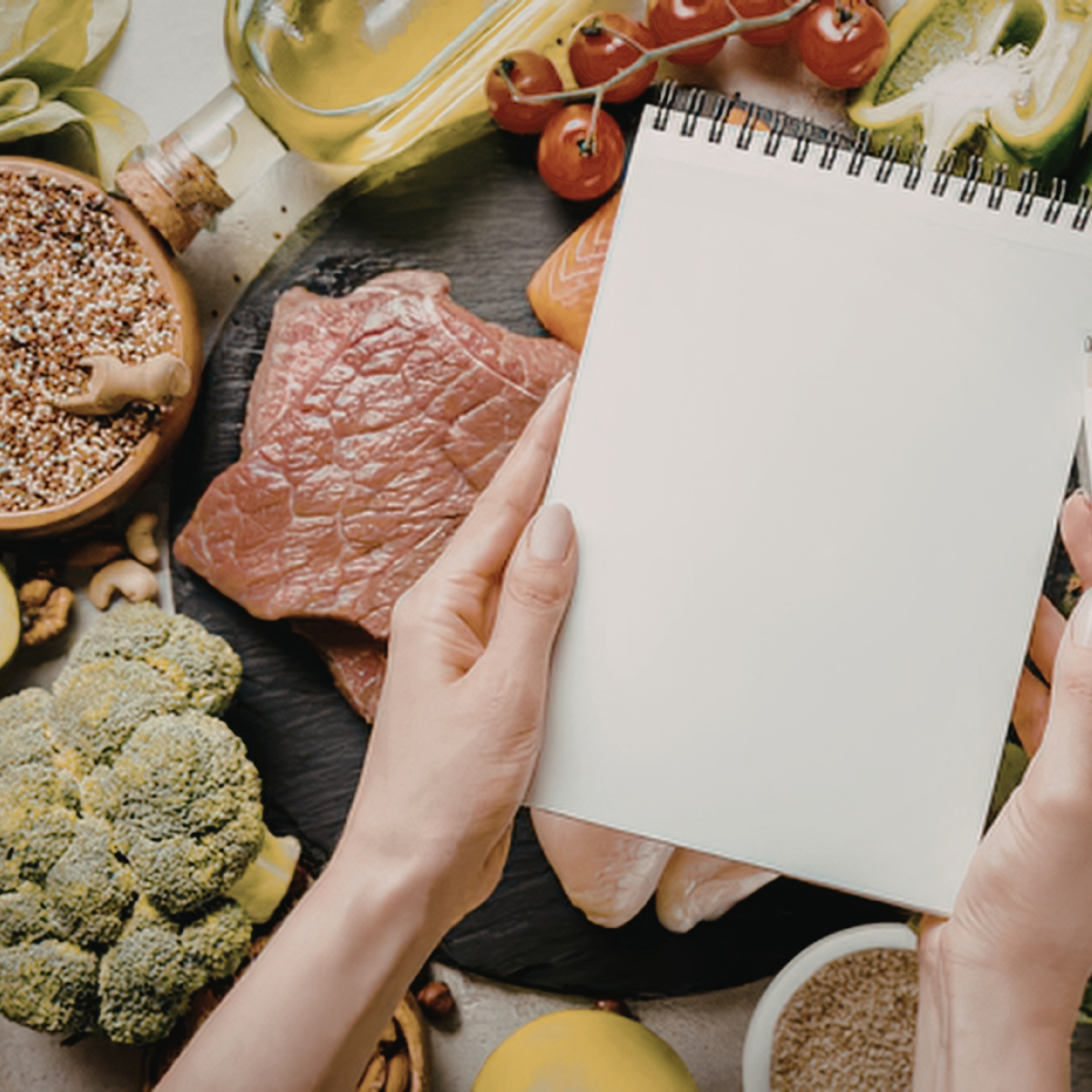
In Traditional Chinese Medicine, what you eat and how you live each day are considered alongside your symptoms, pulse and tongue. A dietary and lifestyle consultation translates that assessment into clear, realistic suggestions you can act on at home.
At On Point Natural Medicine in Newcastle, this guidance is offered as part of a considered Traditional Chinese Medicine treatment plan, alongside acupuncture and, where appropriate, Chinese herbal medicine.
📜 AHPRA Registered
💼 20+ Years Experience
📜 AACMA Member
Food, Nature & Chinese Medicine
Explore the Five Elements
Traditional Chinese medicine has long drawn inspiration from the changing seasons and rhythms of nature. The Five Elements, also known as the Five Phases, offer a fascinating way to explore relationships between food, lifestyle and the natural world. Select an element to discover its traditional associations and some everyday ways to explore seasonal living.
Wood: The Season of New Beginnings
Wood represents the energy of spring: growth, movement, flexibility and the emergence of new life. Just as plants begin to grow after winter, this phase symbolises activity and fresh beginnings within traditional Chinese philosophy.
Food & Flavour
Traditional flavour: Sour.
Foods illustrating this flavour include lemon, lime, vinegar, pickled vegetables and some fermented foods.
Spring is also a lovely time to explore fresh leafy greens, herbs and seasonal vegetables.
Seasonal Lifestyle
Spring invites movement and a return to outdoor activity.
Walking in the morning, gardening, spending time outdoors and establishing new routines are simple ways to enjoy the changing season.
Movement & Exercise
Gentle stretching, mobility exercises, walking and comfortable movement can complement the season's theme of flexibility.
The emphasis is on moving comfortably and consistently, rather than pushing beyond your limits.
In Chinese Medicine
Wood is traditionally associated with the Liver and Gallbladder systems.
These are concepts within Chinese medicine theory, rather than direct descriptions of anatomical organ function.
Connection to Acupuncture
In classical Five Phase theory, Wood is part of a wider system of relationships used to organise traditional ideas about health and change.
Some acupuncture traditions use these relationships in point-selection theory. Individual practitioners may draw on different assessment systems rather than using Five Phase theory alone.
Fire: The Fullness of Summer
Fire represents warmth, activity, connection and the expansive character of summer. In traditional Chinese thought, it symbolises the flourishing stage of a natural cycle, when growth and activity are at their height.
Food & Flavour
Traditional flavour: Bitter.
Examples of bitter flavours include rocket, radicchio, endive and some leafy greens.
Summer eating can also celebrate seasonal produce such as cucumber, tomatoes, berries and fresh salads.
Seasonal Lifestyle
Summer creates opportunities for outdoor activities, social connection and enjoying longer days.
Staying hydrated, seeking shade during extreme heat and allowing time for rest remain important.
Movement & Exercise
Swimming, walking, cycling and gentle outdoor movement can be enjoyable summer activities.
During hot weather, choose cooler parts of the day and adjust activity to your comfort and fitness.
In Chinese Medicine
Fire is traditionally associated with the Heart and Small Intestine systems, alongside other relationships described in classical theory.
These associations are symbolic and theoretical, not medical diagnoses.
Connection to Acupuncture
In classical acupuncture theory, Fire belongs to a network of seasonal and functional correspondences.
These ideas help explain how traditional practitioners organised patterns of change and relationships within the body.
Earth: Nourishment and Balance
Earth represents nourishment, stability, cultivation and the transition between periods of activity and rest. In Five Phase theory it is often associated with late summer or the transitions between seasons.
Food & Flavour
Traditional flavour: Sweet, referring to natural sweetness rather than added sugar.
Examples include pumpkin, sweet potato, carrots, rice, oats and other naturally mild or sweet-tasting foods.
Rice congee is also an important traditional food preparation worth exploring.
Seasonal Lifestyle
Earth suggests steadiness and regularity.
Enjoying regular meals, taking time to prepare food, maintaining a comfortable daily routine and allowing moments of rest all fit this theme.
Movement & Exercise
Gentle walking, tai chi, balance exercises and comfortable everyday movement are practical expressions of steadiness.
Consistency matters more than intensity for building sustainable habits.
In Chinese Medicine
Earth is traditionally associated with the Spleen and Stomach systems.
In Chinese medicine, these terms refer to traditional functional concepts, not simply the anatomical organs.
Connection to Acupuncture
Earth occupies an important position in the Five Phase model, especially in traditional explanations of nourishment and transformation.
Its associations may form part of classical acupuncture education, although clinical techniques and assessment approaches vary.
Metal: The Season of Gathering In
Metal represents refinement, structure and the quieter rhythm of autumn. As the natural world begins its transition toward winter, this phase symbolises gathering, letting go and preparing for a period of rest.
Food & Flavour
Traditional flavour: Pungent or aromatic.
Examples include ginger, garlic, spring onions, radish and aromatic herbs and spices.
Autumn is also a pleasant time for warming soups, seasonal vegetables and cooked meals.
Seasonal Lifestyle
Autumn can provide an opportunity to simplify routines and prepare for cooler weather.
Getting outdoors, maintaining regular sleep and making time for reflection are simple seasonal ideas.
Movement & Exercise
Walking, gentle mobility work and relaxed breathing exercises can provide opportunities to slow down and reconnect with everyday movement.
Choose activities that feel comfortable and suit your capabilities.
In Chinese Medicine
Metal is traditionally associated with the Lung and Large Intestine systems.
These connections belong to the classical model and should not be interpreted as a way to diagnose respiratory or digestive diseases.
Connection to Acupuncture
Within classical Five Phase theory, Metal illustrates relationships involving seasonal change, structure and contraction.
These associations appear in some traditional approaches to acupuncture point theory.
Water: Rest and Restoration
Water represents stillness, conservation, depth and the quiet potential of winter. In traditional Chinese philosophy, it symbolises a period of gathering resources and preparing for the next cycle of growth.
Food & Flavour
Traditional flavour: Salty.
Foods associated with this flavour include sea vegetables, miso and other savoury foods.
Winter meals might include vegetable soups, lentil stews, beans and warm grain dishes.
The traditional salty association is not a recommendation to increase salt intake.
Seasonal Lifestyle
Winter offers a natural reminder of the importance of rest and recovery.
Maintaining regular sleep, enjoying warming meals and allowing time for quieter activities can support comfortable daily routines.
Movement & Exercise
Gentle yoga, walking, tai chi and indoor mobility exercises can help maintain enjoyable movement through cooler months.
Winter need not mean inactivity; activity can simply be adjusted to the weather and personal circumstances.
In Chinese Medicine
Water is traditionally associated with the Kidney and Bladder systems.
These traditional systems should not be confused with modern assessments of kidney or urinary function.
Connection to Acupuncture
Water is associated with the winter phase in classical Chinese medicine, representing the conservation and renewal found in natural cycles.
The model provides historical and philosophical context for some traditional acupuncture systems.
Our Approach
How We Deliver Dietary & Lifestyle Guidance
Considered, realistic, and integrated with your broader Traditional Chinese Medicine care.
Individualised Guidance
Recommendations are tailored to your TCM pattern, lifestyle, season and goals — not a generic diet plan or restrictive program.
Food as Everyday Support
Practical use of common, accessible whole foods to support digestion, energy, sleep and overall wellbeing in your daily life.
Integrated with Your Treatment
Dietary and lifestyle advice complements your acupuncture and Chinese herbal medicine treatments as part of one considered plan.
Evidence-Informed & Safe
Guidance is grounded in classical TCM principles and contemporary clinical experience, delivered by an AHPRA-registered practitioner.
Areas We May Support
When Dietary & Lifestyle Guidance May Help
These consultations are used as part of an individualised treatment plan and are not a substitute for medical or dietetic care. Outcomes vary from person to person. Adrian will discuss whether this approach is appropriate for your presentation.
Digestive comfort and regularity
Energy levels and daily fatigue
Sleep quality and routines
Stress and nervous-system support
Women's health and menstrual wellbeing
Seasonal adjustments to diet and routine
You may also wish to read about our care for digestive disorders, hip and back pain, or browse our full list of conditions.
Part of Integrated TCM Care
Combined with Acupuncture, Herbs & Pulse Diagnosis
Dietary and lifestyle guidance is shaped by advanced pulse diagnosis and your full TCM consultation, and is most useful alongside acupuncture and Chinese herbal medicine.
Hands-on soft tissue therapy may also form part of your appointment, depending on your presentation and goals.
Realistic, Everyday Changes
Suggestions are designed to fit your real life — not to overhaul it overnight — and are refined together over time.
What to Expect
Your Dietary & Lifestyle Consultation
From your first consultation through to ongoing review. Learn more about what to expect at On Point Natural Medicine.

TCM Consultation
We review your symptoms, medical history, current diet, sleep, movement and stress, alongside pulse and tongue assessment.

Personalised Dietary Plan
You'll receive clear, realistic dietary and lifestyle suggestions matched to your TCM pattern, the season and your daily routine.

Ongoing Review
Recommendations are refined over time as your presentation, season and goals evolve, alongside your other treatments.
Your Practitioner
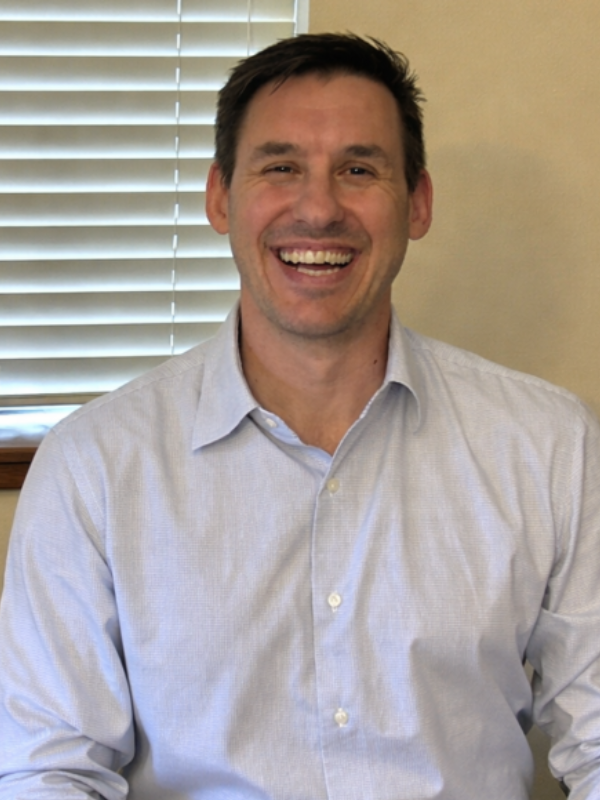
Adrian Taricani
Adrian is an AHPRA-registered Chinese Medicine practitioner with more than 20 years of clinical experience. He integrates dietary and lifestyle guidance with acupuncture, pulse diagnosis and herbal medicine as part of an individualised treatment plan. Adrian is committed to evidence-informed practice, clear communication and working alongside your broader healthcare team, including GPs and dietitians.
He is a registered practitioner with the Australian Health Practitioner Regulation Agency (AHPRA) and a member of the Australian Acupuncture and Chinese Medicine Association (AACMA).
✓
AHPRA Registered
✓
20+ Years Experience
✓
Health Fund Rebates
Pricing & Sessions
Transparent, Straightforward Pricing
Dietary and lifestyle guidance is included within your standard TCM consultation appointments.
Health fund rebates may be available depending on your individual fund and level of extras cover. Please check with your provider.
Initial Consultation – 45 minutes
$120.00
Recommended for new clients. Includes full TCM assessment, dietary and lifestyle review, and acupuncture where indicated.
Standard Consultation (45mins)
$100.00
For returning clients. Ongoing review and refinement of your dietary and lifestyle plan alongside treatment.
Have Questions?
Frequently Asked Questions
Helpful answers about TCM dietary and lifestyle consultations at On Point Natural Medicine.
What is a TCM dietary and lifestyle consultation?
It is a structured conversation about how everyday food choices, daily routines, movement, sleep and stress habits affect your health, informed by Traditional Chinese Medicine assessment. You receive practical, individualised suggestions to support your treatment goals.
Is this a diet or weight-loss program?
No — this is not a weight-loss program. The focus is on supporting your overall wellbeing, digestion, energy and daily routines through individualised TCM dietary and lifestyle guidance. If weight management is a concern for you, we recommend discussing this with your GP or a registered dietitian as part of your broader healthcare team.
Do I have to eat unusual or hard-to-find foods?
No. Guidance focuses on everyday whole foods you can buy at any Australian supermarket or greengrocer. Where a more specific food or herb is suggested, Adrian will explain how to source and use it.
How is this different from seeing a dietitian or nutritionist?
TCM dietary and lifestyle advice is grounded in Chinese medicine pattern diagnosis rather than Western nutrition science. It is complementary, not a substitute for advice from an Accredited Practising Dietitian or your GP, and Adrian is happy to work alongside your broader healthcare team.
Can it be combined with acupuncture and herbal medicine?
Yes. Dietary and lifestyle guidance is most often integrated with your acupuncture, Chinese herbal medicine and pulse-diagnosis-led treatment plan, so each element supports the others.
Do I need a referral?
Can I claim on private health insurance?
Explore More
Related Treatments
Acupuncture
Precise, personalised acupuncture as part of your TCM treatment plan.
Traditional Chinese Medicine
An integrated, whole-person approach to your health and wellbeing
Chinese Herbal Medicine
Individualised herbal formulas prescribed alongside your treatments.
Advanced Pulse Diagnosis
A refined diagnostic method that informs every treatment plan.
Ready to Refine Your Diet & Daily Routine?
Whether you're working on digestion, energy, sleep or stress, book a consultation with Adrian Taricani at On Point Natural Medicine in Georgetown, Newcastle for practical, individualised TCM dietary and lifestyle guidance.
Our Georgetown clinic is easily reached from Mayfield, Waratah, Hamilton, Lambton, Jesmond and across the Hunter region.