
An acupuncture technique, explained
Electro Acupuncture in
Newcastle Georgetown
An introduction to an acupuncture technique that uses fine needles with controlled electrical stimulation. Learn what the process involves, what to expect during treatment and how a practitioner assesses whether it is appropriate for your individual circumstances.
📜 AHPRA Registered
🌐 20+ Years Experience
📜 AACMA Member
01 / The essentials
What is electroacupuncture?
Electroacupuncture is a technique where we connect fine acupuncture needles to a small electrical stimulation device. The device sends gentle, controlled electrical pulses between selected needles. We can adjust the settings depending on the treatment approach and what is appropriate for the individual.
With traditional acupuncture, we may stimulate the needles by hand. Electroacupuncture gives us another way of applying stimulation, but that doesn't mean it's necessarily better or suitable for everyone.
Before considering electroacupuncture, we look at your medical history, what you're experiencing and any factors that might affect treatment. We also explain what the technique involves, discuss possible risks and answer any questions you may have.
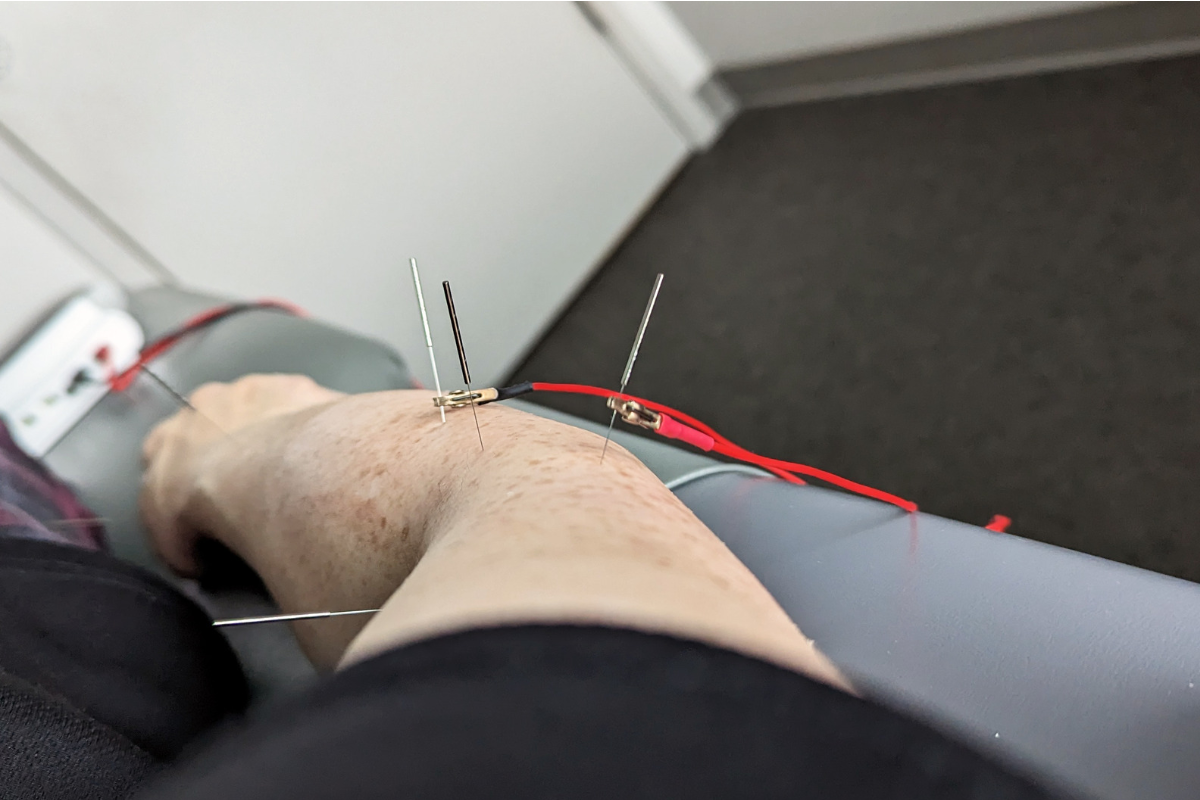
Fine needles
Single-use acupuncture needles are carefully selected and placed following an assessment
Controlled pulses
A small electrical device delivers controlled stimulation through selected needles.
Individual approach
We consider your needs, medical history and preferences before deciding whether this technique is appropriate.
02 / A little context
From manual needling to electrical stimulation
01 / Foundations
From manual techniques
Acupuncture has a long history of using needles by hand. Electrical stimulation came much later, as practitioners began exploring different ways of working with acupuncture points.
02 / Development
Electrical stimulation
As electrical equipment developed, practitioners began combining acupuncture needles with controlled electrical pulses. Different methods and settings have been explored over time, rather than one standard approach.
03 / Contemporary practice
An ongoing area of study
Today, electroacupuncture is used in clinical practice and continues to be studied. Research looks at different techniques, settings and conditions, so it's important to consider what the evidence tells us about each particular application.
Practitioner perspective · 01
The reasoning behind the technique
“When we look at electroacupuncture, we're really looking at another way of stimulating acupuncture points. With manual acupuncture, we work with the needles by hand. Electroacupuncture allows us to apply controlled electrical stimulation. It's not about one technique being better than another. It's about understanding the person in front of us and deciding what approach may be appropriate.”
Adrian Taracani · Acupuncture Practitioner
03 / Inside the process
How electroacupuncture works
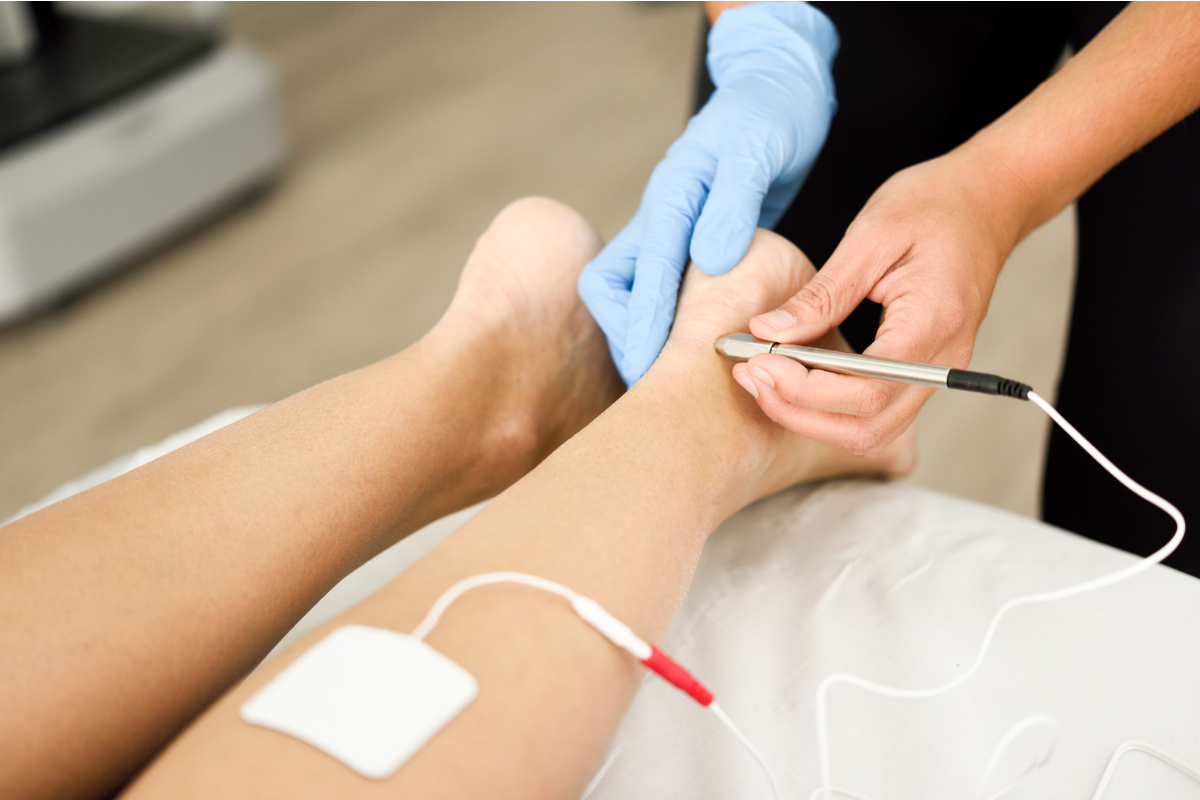
Once we've discussed your medical history and agreed on an approach, we connect small leads to selected acupuncture needles. We then adjust the electrical stimulation to an appropriate level, checking how it feels and making changes as needed. Stronger stimulation doesn't necessarily mean better results.
Researchers are also looking at how acupuncture and electrical stimulation interact with the nervous system. There's still a lot we're learning about how acupuncture works, and the evidence varies depending on the condition being studied.
Useful questions to ask
-
Why might electroacupuncture be appropriate for me?
-
What does the research say about my particular condition?
-
Are there other options, and what are the possible risks?
-
How will we know whether to continue or change the approach?

04 / Clinical judgement
How I approach electroacupuncture
Every person is different, so I don't believe in using exactly the same approach for everyone. We start by talking about what's happening with your health, your medical history and any treatment you're already receiving. From there, we can discuss which acupuncture techniques may be appropriate for you.
Training & experience
Electroacupuncture is one of the techniques I may consider as part of an acupuncture treatment. My approach is to understand the person first, then consider which techniques are appropriate for their individual circumstances.
Selecting an approach
I don't automatically use electroacupuncture for everyone. We look at your particular concerns, medical history and preferences, including any reasons electrical stimulation may not be suitable. I also explain the alternatives so we can make an informed decision together.
Practitioner perspective · 02
A considered approach to care.
“Before we decide on any particular technique, I want to understand what's happening with your health. We look at your medical history, your current concerns and what you're hoping to address. Electroacupuncture is simply one of the options we may consider. The important thing is choosing an approach that makes sense for you.”
Adrian Taracani · Acupuncture Practitioner
05 / Your visit
What to expect during an appointment
Consultation & assessment
We'll start by talking about your symptoms, medical history, medications and any treatment you're currently receiving. It's important to mention pregnancy, implanted medical devices, bleeding concerns, changes in sensation or any previous reactions to acupuncture.
Options & informed consent
We'll discuss whether electroacupuncture may be appropriate for you, what other options are available and any possible risks or uncertainties. You're welcome to ask questions, take time to decide or choose not to proceed.
Preparation & treatment
If we agree to proceed, I'll prepare the treatment area and insert fine, single-use sterile acupuncture needles. Small leads are then connected to selected needles, and the electrical stimulation is adjusted to an appropriate setting.
Aftercare & review
Once we've finished, I'll remove the leads and needles, and we'll discuss how you're feeling. Any further treatment will depend on your individual circumstances and reassessment. I'll also explain what to look out for afterwards and when to seek medical advice.
Checking your experience
You might notice a gentle pulsing or tingling sensation, or sometimes a small muscle movement. I'll check how you're feeling throughout. If anything feels uncomfortable, painful or unusual, let me know so we can adjust or stop the stimulation.
Precautions & suitability
Electroacupuncture isn't suitable for everyone. If you have a pacemaker, defibrillator or another implanted electronic device, it's important to let me know before we consider electrical stimulation.
We also need to discuss pregnancy, a history of seizures, bleeding conditions, blood-thinning medications, skin infections or changes in sensation. These are just some of the factors we consider during your assessment.
As with other forms of acupuncture, there are possible risks, including temporary soreness, bruising, minor bleeding or feeling light-headed. Although uncommon, more serious complications such as infection or organ injury can occur. We'll discuss the risks relevant to your treatment and the precautions involved.
You can ask questions, decline treatment or change your mind at any stage.
“We don’t believe in one-size-fits-all approaches. Every management plan is designed around your unique health story, symptoms, and goals.”
Practitioner perspective · 03
What makes this technique worth understanding
“One of the interesting things about electroacupuncture is that we can adjust the stimulation in a way that's different from working with needles by hand. It gives us another option to consider when planning treatment. But it's important to understand that every person is different, and whether we use electroacupuncture really comes down to their individual circumstances.”
Adrian Taracani · Acupuncture Practitioner
Have Questions?
Frequently asked questions about electroacupuncture
1. What is the difference between acupuncture and electroacupuncture?
With traditional acupuncture, we insert fine needles and may stimulate them gently by hand. Electroacupuncture involves connecting selected needles to a small device that delivers controlled electrical pulses. It's another way of stimulating acupuncture points, but that doesn't necessarily mean it's better than manual acupuncture.
2. Does electroacupuncture hurt?
Most people notice a pulsing, tingling or tapping sensation when the electrical stimulation is applied. You may also notice a small muscle movement. The sensation varies depending on the settings and where the needles are placed. If anything feels painful or uncomfortable, let me know so we can adjust or stop the stimulation.
3. What conditions is electroacupuncture used for?
Electroacupuncture has been studied for a range of concerns, including certain types of pain and musculoskeletal conditions. However, the quality of research and evidence of benefit vary considerably between conditions. During your consultation, we can discuss whether there's relevant evidence for your particular circumstances and whether this technique is worth considering.
4. Is electroacupuncture safe for everyone?
No, there are situations where electroacupuncture may not be appropriate. For example, it's particularly important to tell me if you have a pacemaker or another implanted electronic device. Pregnancy, seizure history, medications and certain medical conditions also need to be discussed. We'll review these factors before deciding whether electrical stimulation is suitable.
5. How many electroacupuncture sessions will I need?
There's no set number of sessions that applies to everyone. It depends on your individual circumstances, what we're addressing and whether further treatment is appropriate. We'll discuss your options during the initial consultation and review the approach as we go, rather than committing you to a fixed treatment schedule.
6. Can I choose traditional acupuncture instead?
Absolutely. Electroacupuncture is only one of the techniques we may consider. If you'd prefer manual acupuncture, or you're unsure about electrical stimulation, we can discuss that together. My approach is to explain the available options, answer your questions and make sure you're comfortable with any treatment you choose.
08 / Explore the approaches
Other acupuncture techniques
Each approach has its own terminology and rationale. The full technique articles will be added individually; the main acupuncture page provides the current overview.
Tung Acupuncture
A traditional style of acupuncture that uses its own system of points, often placing needles away from the area of discomfort. It offers a different approach to selecting acupuncture points.
Tan's Balance Method
An acupuncture technique that looks at relationships between different parts of the body. It uses these connections to guide where needles are placed, sometimes away from the area of concern.
Neoclassical Acupuncture
A modern approach to acupuncture that uses a distinctive system of assessment and point selection. It focuses on identifying which acupuncture points may be appropriate for each individual.
Motor Point Acupuncture
An approach that focuses on specific points associated with muscles and their nerve supply. It involves selecting acupuncture points based on the muscles being assessed.
Dry Needling
A needling technique that focuses on muscles and areas of muscular tension. It uses fine needles placed in selected areas, with the approach guided by an assessment of the muscles.
Electroacupuncture
A form of acupuncture where a small electrical current is passed between selected needles. The stimulation can be adjusted during treatment according to the individual's needs and comfort.
09 / Further context
Related conditions & services
These pages provide general context, not an indication that electroacupuncture is suitable or effective for a particular condition. Individual assessment and relevant evidence remain essential.
Acupuncture
The broader approach, appointment options and technique overview.
Nerve pain & sciatica
Understanding symptoms and when medical assessment matters.
Hip & back pain
General information about assesment and considerations
Soft tissue therapt
Explore a seperate service and discuss its suitability
12 / About your care
Meet Adrian Taricani
With years of clinical experience supporting people in Newcastle and the Hunter, Adrian brings together his knowledge of Traditional Chinese Medicine with a caring, personalised approach. His experience with acupuncture techniques, including electroacupuncture, means taking the time to understand your individual circumstances, explain your options and work with you to make informed decisions about your care.
He is a registered practitioner with the Australian Health Practitioner Regulation Agency (AHPRA) and a member of the Australian Acupuncture and Chinese Medicine Association (AACMA).
📜 AHPRA Registered
🌐 20+ Years Experience
📜 AACMA Member
Ready to get started?
Begin Your Acupuncture Journey in Newcastle Today
Ready to experience the benefits of personalised acupuncture treatment?
Book your initial consultation at our Georgetown clinic and let's create a plan to help you feel your best.