
An acupuncture technique, explained
Tan’s Balance Method
In Newcastle
Tan’s Balance Method looks at relationships between different parts of the body to guide acupuncture point selection. That can mean placing a needle away from the area troubling you. Here is what the approach involves, what remains uncertain and what to ask at a consultation.
📜 AHPRA Registered
🌐 20+ Years Experience
📜 AACMA Member
01 / The essentials
What is tan’s balance method?
Tan’s Balance Method is a traditional acupuncture point-selection framework associated with Richard Tan. Rather than always choosing points close to a symptom, it uses relationships described in traditional teaching to guide where needles may be placed.
You may hear this called distal acupuncture. Distal simply means away from the area of concern. For example, a practitioner may consider a point on a limb rather than needling the sore area itself. This describes a placement approach, not a direct anatomical connection or a promise of relief.
The word ‘balance’ is part of the method’s name. It does not establish that your body is out of balance, identify the cause of a symptom or demonstrate that treatment will correct it. Your medical history, assessment, preferences and relevant evidence remain the starting point.
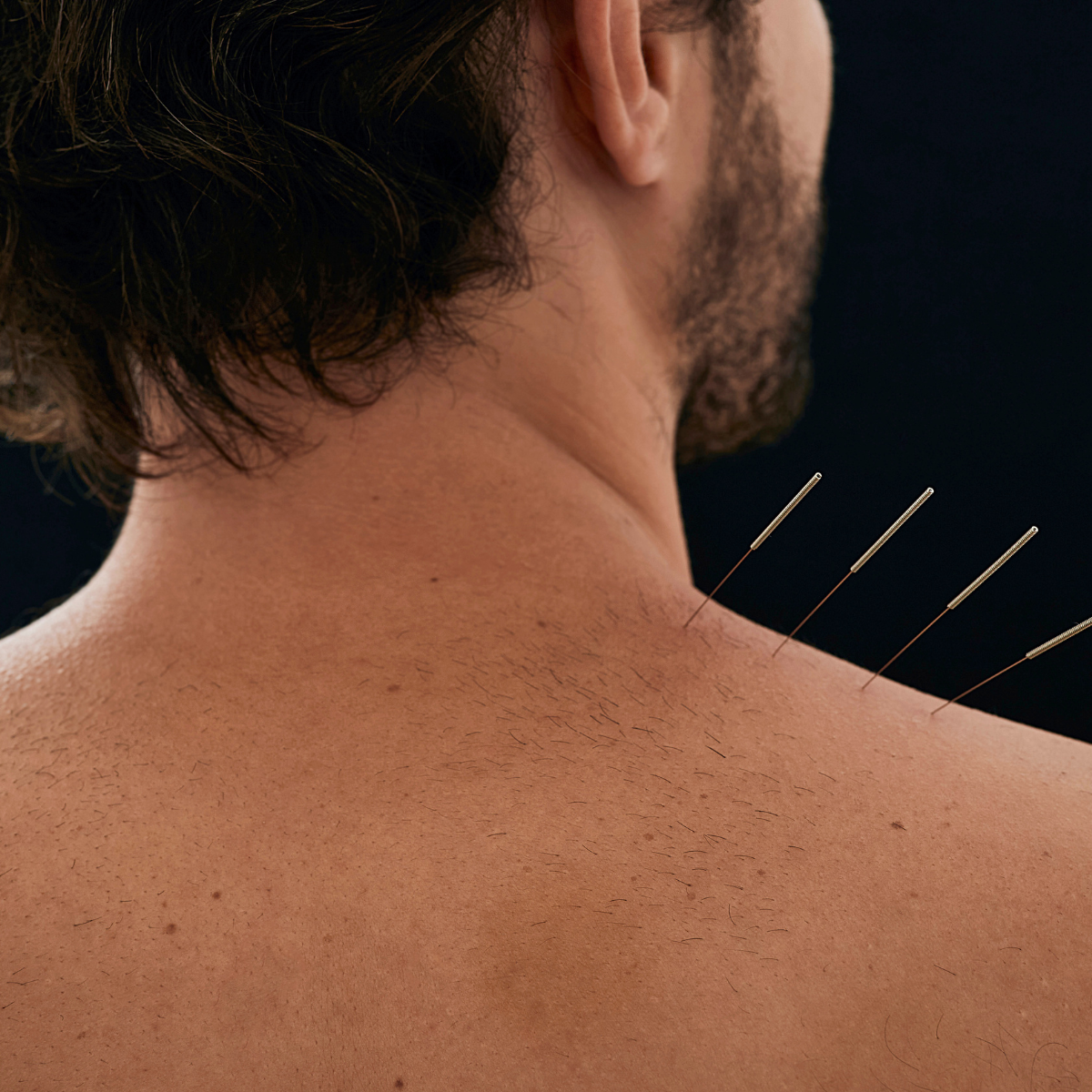
Relationships guide selection
Traditional teaching relates different body areas when considering acupuncture points.
Placement can be distal
Needles may be placed away from the symptoms, following assessment and consent.
The name is not a diagnosis
‘Balance’ describes the framework, not a measured health finding or a promised result.
02 / A little context
A traditional way of organising point selection
01 / Background
A framework associated with Richard Tan
Richard Tan taught an approach to acupuncture point selection drawing on traditional Chinese medicine relationships. The name identifies a teaching method, not a separate registration category or a claim of clinical superiority.
02 / Point selection
Relationships used to organise selection
Teaching may describe mirroring or imaging: using one body area as a conceptual map of another. These are traditional selection tools, not scientifically established anatomical maps or diagnostic tests.
03 / Today
A method to discuss, not a result to expect
Different practitioners and studies may use different protocols. Understanding the framework can help you ask questions, but its history alone cannot establish effectiveness for a particular condition or person.
Practitioner perspective · 01
The reasoning behind the technique
“One of the interesting things about Tan's Balance Method is that we don't necessarily need to work directly on the area that's troubling someone. We're looking at relationships between different parts of the body, using a traditional framework to guide our choice of acupuncture points.”
— Adrian Taricani, Chinese Medicine Practitioner
03 / Inside the process
How do relationships between body areas guide the method?
If your shoulder is sore, it is natural to expect a needle near your shoulder. In the Balance Method, a practitioner may discuss a site elsewhere on a limb. The choice comes from the method’s traditional selection framework, alongside an assessment of the proposed sites. This example is not a treatment recommendation or a self-needling guide.
Terms such as ‘mirroring’ and ‘imaging’ refer to conceptual maps used in traditional teaching. Imaging here does not mean a medical scan. These maps are not established anatomical connections, and they cannot replace an examination or explain the cause of a symptom on their own.
Research explores responses to acupuncture, including nervous-system activity, but how acupuncture works is not fully understood. A proposed mechanism does not validate the Balance Method’s maps or predict a clinical outcome. The useful question is what evidence applies to your situation, what remains uncertain and how any care would be reviewed.
Useful questions to ask
- Why are you considering this technique for me?
- What evidence is relevant to my circumstances?
- What are the alternatives and possible risks?
- How will you decide whether to continue or change the plan?

04 / Clinical judgement
How Adrian Taricani approaches this technique
Technique selection should follow an individual assessment rather than a standard protocol for everyone. The consultation is an opportunity to discuss your concerns, current medical care and preferences.
Training & experience
Awaiting verified Tan’s Balance Method training and the practitioner’s approved description of relevant clinical experience.
Selecting an approach
Awaiting the practitioner’s explanation of when this technique may be considered, when it is avoided and how alternatives are discussed.
Reviewing the plan
Awaiting the practitioner’s account of reassessment, coordination with other care and referral considerations.
Practitioner perspective · 02
A considered approach to care.
“I always start by listening to the person and understanding what's going on for them. The technique comes second. Tan's Balance Method is one of the approaches I can consider, but the decision about how to proceed depends on the individual and what I find during the assessment.”
— Adrian Taricani, Chinese Medicine Practitioner
05 / Your visit
What to expect during an appointment
Explain the concern in everyday terms
Describe where your symptoms are, when they began and what makes daily activities difficult. Bring relevant reports and a medicine list. The first question is whether the symptoms need further medical assessment, not which point map to use.
Discuss the reason for the approach
Ask why the Balance Method is being considered, what evidence applies to your circumstances and what alternatives are available. Discuss uncertainties, possible risks and costs before deciding. You can choose not to proceed.
Understand placement and give consent
If you agree to treatment, Adrian Taricani explains the proposed sites and positioning, then uses single-use sterile needles. Placement away from the sore area still requires a safety assessment and your consent.
Speak up throughout the appointment
You may notice pressure, aching or discomfort; experiences vary. Tell your practitioner about sharp pain, dizziness or anything unexpected. You can ask for an adjustment, pause or stop. A sensation is not proof that treatment is working.
Review without jumping to conclusions
After needling, discuss how you feel and what to monitor. A change during an appointment does not establish a lasting effect or confirm a diagnosis. Further care depends on reassessment, your preferences and whether other care or referral is needed.
Precautions & suitability
Before needling, discuss pregnancy, medicines, bleeding disorders, anticoagulants, skin problems, allergies and any history of fainting. Mention current medical care and any previous reaction to acupuncture. This is not an exhaustive list of precautions.
Needling away from a symptom does not remove acupuncture risks. Soreness, bruising, minor bleeding and light-headedness can occur. Serious complications, including infection or organ injury, are possible. Ask about the risks relevant to the proposed sites and how they are managed.
Acupuncture should not delay a diagnosis or replace recommended medical care. New or worsening symptoms need medical assessment. Sudden weakness, loss of bladder or bowel control, chest pain or breathing difficulty need urgent medical attention. Call 000 in an emergency.
You may decline treatment or withdraw consent at any time.
“We don’t believe in one-size-fits-all approaches. Every management plan is designed around your unique health story, symptoms, and goals.”
Practitioner perspective · 03
What makes this technique worth understanding
“I always start by listening to the person and understanding what's going on for them. The technique comes second. Tan's Balance Method is one of the approaches I can consider, but the decision about how to proceed depends on the individual and what I find during the assessment.”
— Adrian Taricani, Chinese Medicine Practitioner
Have Questions?
Tan’s Balance Method FAQs
What is Tan’s Balance Method acupuncture?
It is a traditional framework associated with Richard Tan that uses relationships between body areas to guide acupuncture point selection. Needles may be placed away from the symptoms. The framework describes a way of selecting points, not an established explanation of how a symptom develops or a guarantee of treatment benefit.
Why might needles be placed on a different part of the body?
The method uses traditional relationships and conceptual maps to organise point selection. A practitioner may consider a site away from the area of concern. They should explain the proposed placement and its risks. Being further from a symptom does not automatically make needling safer, more effective or suitable for you.
What do mirroring and imaging mean?
These terms describe traditional ways of relating one body area to another when choosing points. They do not mean an imaging scan or a scientifically established anatomical connection. They should not be used to replace medical investigation or presented as proof that a particular point will change your symptoms.
Is Tan’s Balance Method the same as Tung acupuncture?
No. They are distinct teaching systems, although both may involve distal needling. Tan’s Balance Method uses its own relationship-based selection framework; Tung acupuncture has its own point descriptions and selection methods. Similar needle locations do not make their underlying theories identical, and neither is automatically preferable.
What does research tell us about the Balance Method?
Evidence needs to match the particular condition, point-selection protocol and outcome being discussed. General acupuncture research cannot automatically establish a benefit for Tan’s Balance Method. This page is not a systematic review and does not establish that the method is effective for your circumstances. Ask about the relevant evidence, its limitations and alternatives.
Does the word balance mean it corrects an imbalance?
No. Balance is part of the traditional framework’s name, not a measured diagnosis or a promised outcome. Symptoms can have many causes. Assessment and any appropriate medical investigation are needed rather than assuming that a traditional description explains your health concern.
Are there risks, and is it suitable for everyone?
No technique is suitable for everyone. Discuss pregnancy, medicines, bleeding disorders, skin problems and previous reactions to needling. Soreness, bruising, minor bleeding and light-headedness can occur. Serious complications, including infection or organ injury, are possible. Your practitioner should explain the risks relevant to the proposed sites; distal needling does not remove them.
Do I need a separate Balance Method appointment?
You do not need to choose a named technique before a consultation. Ask the clinic whether Tan’s Balance Method is currently offered, then discuss suitability, alternatives and costs. There is no reliable number of appointments to promise from the method’s name alone, and booking does not commit you to treatment.
08 / Explore the approaches
Other acupuncture techniques
Tung Acupuncture
A traditional style of acupuncture that uses its own system of points, often placing needles away from the area of discomfort. It offers a different approach to selecting acupuncture points.
Tan's Balance Method
An acupuncture technique that looks at relationships between different parts of the body. It uses these connections to guide where needles are placed, sometimes away from the area of concern.
Neoclassical Acupuncture
A modern approach to acupuncture that uses a distinctive system of assessment and point selection. It focuses on identifying which acupuncture points may be appropriate for each individual.
Motor Point Acupuncture
An approach that focuses on specific points associated with muscles and their nerve supply. It involves selecting acupuncture points based on the muscles being assessed.
Dry Needling
A needling technique that focuses on muscles and areas of muscular tension. It uses fine needles placed in selected areas, with the approach guided by an assessment of the muscles.
Electroacupuncture
A form of acupuncture where a small electrical current is passed between selected needles. The stimulation can be adjusted during treatment according to the individual's needs and comfort.
09 / Further context
Related conditions & services
These pages provide general context, not an indication that Tan's Balance Method is suitable or effective for a particular condition. Individual assessment and relevant evidence remain essential.
Acupuncture
The broader approach, appointment options and technique overview.
Nerve pain & sciatica
Understanding symptoms and when medical assessment matters.
Hip & back pain
General information about assessment and considerations
Soft tissue Therapy
Explore a separate service and discuss its suitability
12 / About your care
Meet Adrian Taricani
With years of clinical experience working with people across Newcastle and the Hunter, Adrian combines his knowledge of Traditional Chinese Medicine with a caring, personalised approach. His experience with acupuncture techniques, including Tan's Balance Method acupuncture, means taking the time to understand your concerns, explain the different options available and help you make informed decisions about your care.
He is a registered practitioner with the Australian Health Practitioner Regulation Agency (AHPRA) and a member of the Australian Acupuncture and Chinese Medicine Association (AACMA).
📜 AHPRA Registered
🌐 20+ Years Experience
📜 AACMA Member
Ready to get started?
Begin Your Acupuncture Journey in Newcastle Today
Considering personalised acupuncture treatment in Newcastle?
Book your initial consultation at our Georgetown clinic and let's create a plan to help you feel your best.