
An acupuncture technique, explained
Neoclassical Acupuncture
In Newcastle
Neoclassical Acupuncture is a modern approach that uses a distinctive system of assessment and point selection. It focuses on identifying which acupuncture points may be appropriate for each individual. Here is what the approach involves, what remains uncertain and what to ask at a consultation.
📜 AHPRA Registered
🌐 20+ Years Experience
📜 AACMA Member
01 / The essentials
What is neoclassical acupuncture?
Neoclassical Acupuncture is a modern acupuncture approach with its own system of assessment and point selection. Rather than applying a fixed set of points to a named condition, the approach focuses on identifying which points may be appropriate for the individual in front of Adrian Taricani.
Assessment within this system may include palpation , gently feeling areas of the body, alongside your history and reported symptoms. Adrian Taricani uses these findings to organise point selection. This describes an assessment method, not a diagnostic test, and it does not replace medical investigation.
The word ‘neoclassical’ is part of the approach’s name. It signals a modern system drawing on older traditions; it does not establish that the method is more advanced, more accurate or more effective than another approach. Your medical history, examination, preferences and the relevant evidence remain the starting point.
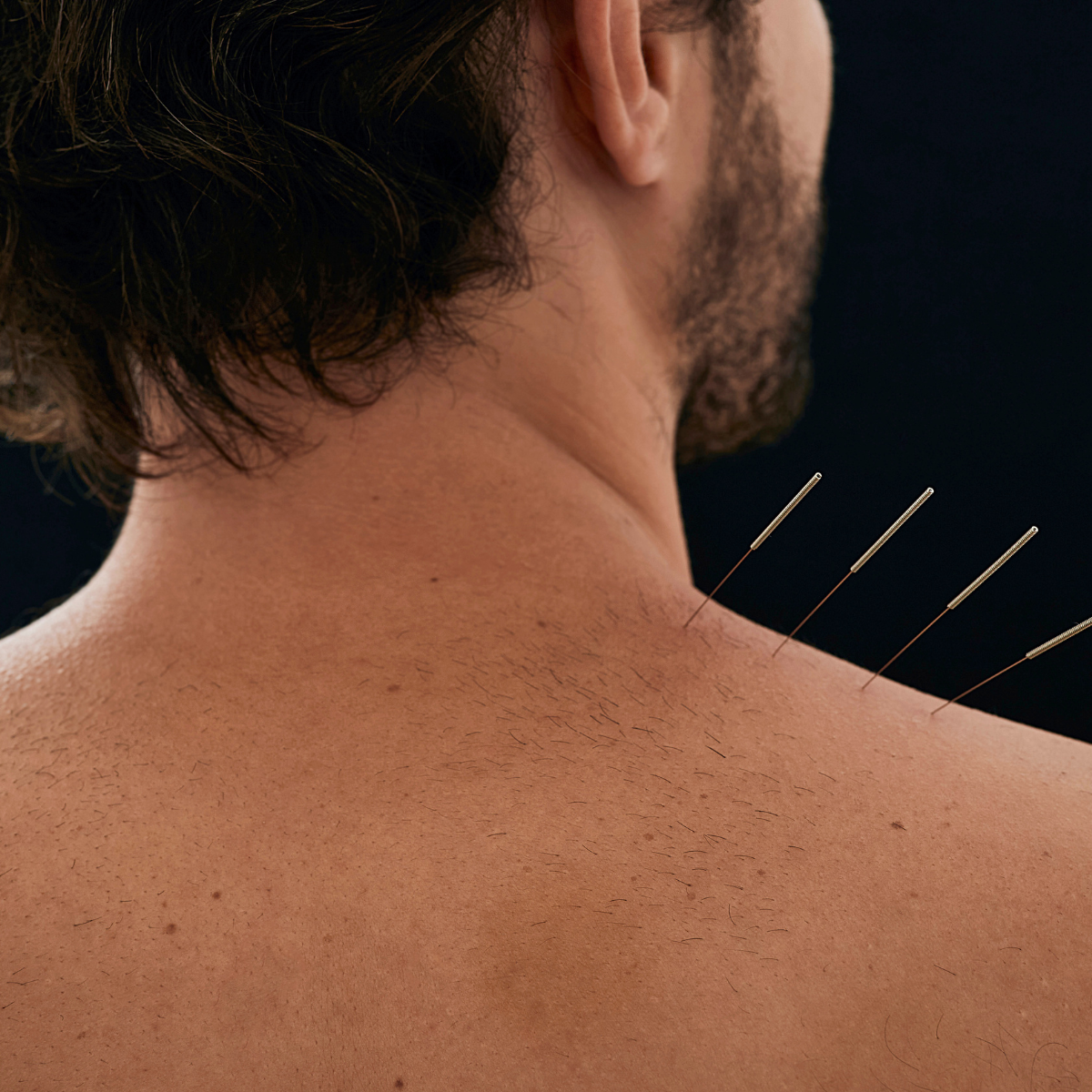
Individual assessment
Findings from history, symptoms and palpation guide which points are considered.
Point selection, not prescription
Points are chosen for the individual rather than applied as a fixed set for a named condition.
The name is not a promise
‘Neoclassical’ describes the system’s origins, not a measured advantage or a guaranteed result.
02 / A little context
A modern system for assessment and selection
01 / Background
A modern system with traditional roots
Neoclassical Acupuncture is a recently developed approach that draws on traditional Chinese medicine concepts while organising assessment and point selection in its own way. The name identifies a teaching system, not a separate registration category or a claim of clinical superiority.
02 / Point selection
Individual findings guide selection
Teaching within this system emphasises assessing the individual — which may include palpation findings — before choosing points. These assessment findings are selection tools within the approach, not scientifically established diagnostic markers.
03 / Today
A method to discuss, not a result to expect
As with any named technique, different practitioners may apply the system differently. Understanding the approach can help you ask questions, but its framework alone cannot establish effectiveness for a particular condition or person.
Practitioner perspective · 01
The reasoning behind the technique
“What interests me about Neoclassical Acupuncture is the emphasis on assessing the individual rather than simply choosing points based on a particular condition. It encourages you to pay attention to what you're finding during the consultation and let that guide your approach.”
— Adrian Taricani, Chinese Medicine Practitioner
03 / Inside the process
How does assessment guide point selection?
In Neoclassical Acupuncture, Adrian Taricani assesses the individual before choosing points. That can include your history, your reported symptoms and palpation, gently feeling areas of the body for findings the system uses to organise selection. The exact points depend on that assessment; this is not a treatment or self-needling guide.
Palpation findings within this system are selection tools, not diagnostic tests. A tender or changed area does not by itself explain the cause of a symptom, and the approach does not replace medical examination or investigation.
Research explores responses to acupuncture, including nervous-system activity, but how acupuncture works is not fully understood. A proposed mechanism does not validate this system’s assessment framework or predict a clinical outcome. The useful question is what evidence applies to your situation, what remains uncertain and how any care would be reviewed.
Useful questions to ask
- Why are you considering this technique for me?
- What evidence is relevant to my circumstances?
- What are the alternatives and possible risks?

04 / Clinical judgement
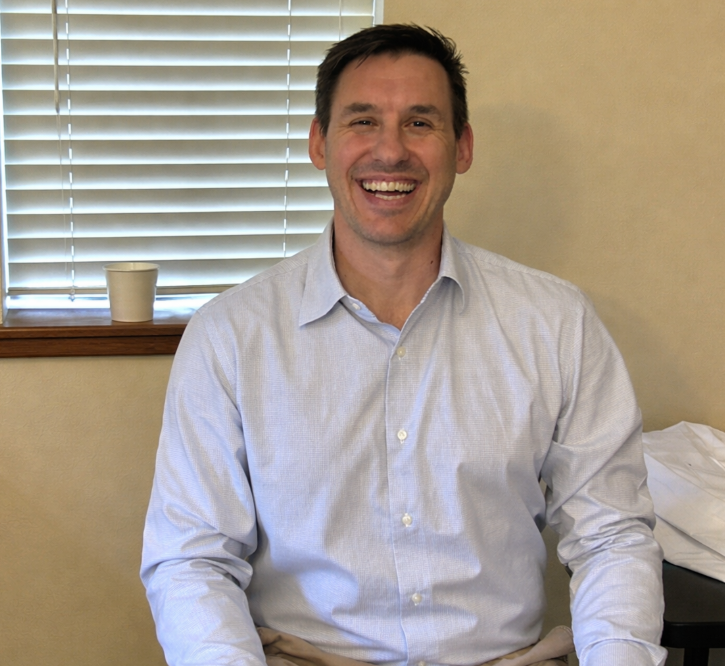
How Adrian Taricani approaches this technique
Technique selection should follow an individual assessment rather than a standard protocol for everyone. The consultation is an opportunity to discuss your concerns, current medical care and preferences.
Training & experience
Adrian Taricani's training and experience in Neoclassical Acupuncture inform his approach to assessment and point selection.
Selecting an approach
Adrian Taricani considers when Neoclassical Acupuncture may be appropriate, when it should be avoided and what alternative approaches may be suitable for the individual.
Reviewing the plan
Adrian reviews the treatment plan through ongoing assessment, considering the individual's response, coordination with other healthcare providers and referral when appropriate.
Practitioner perspective · 02
A considered approach to care.
“I think it's important to understand the person before deciding how to treat them. Their symptoms are part of the picture, but so are their medical history, their circumstances and what we find during the assessment. The technique should always serve the individual, not the other way around.”
— Adrian Taricani, Chinese Medicine Practitioner
05 / Your visit
What to expect during an appointment
Explain the concern in everyday terms
Describe where your symptoms are, when they began and what makes daily activities difficult. Bring relevant reports and a medicine list. The first question is whether the symptoms need further medical assessment, not which point map to use.
Discuss the reason for the approach
Ask how the assessment works, why Neoclassical Acupuncture is being considered, what evidence applies to your circumstances and what alternatives are available. Discuss uncertainties, possible risks and costs before deciding. You can choose not to proceed.
Understand placement and give consent
If you agree to treatment, Adrian Taricani explains the proposed sites and positioning, then uses single-use sterile needles. Point selection guided by palpation findings still requires a safety assessment and your consent.
Speak up throughout the appointment
You may notice pressure, aching or discomfort; experiences vary. Tell your practitioner about sharp pain, dizziness or anything unexpected. You can ask for an adjustment, pause or stop. A sensation is not proof that treatment is working.
Review without jumping to conclusions
After needling, discuss how you feel and what to monitor. A change during an appointment does not establish a lasting effect or confirm a diagnosis. Further care depends on reassessment, your preferences and whether other care or referral is needed.
Precautions & suitability
Before needling, discuss pregnancy, medicines, bleeding disorders, anticoagulants, skin problems, allergies and any history of fainting. Mention current medical care and any previous reaction to acupuncture. This is not an exhaustive list of precautions.
An individualised assessment does not remove acupuncture risks. Soreness, bruising, minor bleeding and light-headedness can occur. Serious complications, including infection or organ injury, are possible. Ask about the risks relevant to the proposed sites and how they are managed.
Acupuncture should not delay a diagnosis or replace recommended medical care. New or worsening symptoms need medical assessment. Sudden weakness, loss of bladder or bowel control, chest pain or breathing difficulty need urgent medical attention. Call 000 in an emergency.
You may decline treatment or withdraw consent at any time.
“We don’t believe in one-size-fits-all approaches. Every management plan is designed around your unique health story, symptoms, and goals.”
Practitioner perspective · 03
What makes this technique worth understanding
“I think it's important to understand the person before deciding how to treat them. Their symptoms are part of the picture, but so are their medical history, their circumstances and what we find during the assessment. The technique should always serve the individual, not the other way around.”
— Adrian Taricani, Chinese Medicine Practitioner
Have Questions?
Neoclassical Acupuncture FAQs
What is Neoclassical Acupuncture?
It is a modern acupuncture approach with its own system of assessment and point selection. The focus is on identifying which points may be appropriate for each individual rather than applying a fixed point prescription. The system describes a way of assessing and selecting points, not an established explanation of how a symptom develops or a guarantee of treatment benefit.
How does the assessment work?
Assessment within this system may include palpation, gently feeling areas of the body , together with your history and symptoms. Adrian Taricani uses these findings to organise point selection. Palpation findings within the approach are selection tools, not diagnostic tests, and they do not replace medical examination or investigation.
Is Neoclassical Acupuncture the same as traditional acupuncture?
Not exactly. It is a modern system that draws on traditional Chinese medicine concepts but organises assessment and point selection in its own way. It is one of several named approaches a practitioner may discuss. No named system is automatically preferable, and registration as an acupuncturist is separate from any particular technique.
Does the word neoclassical mean it is more advanced?
No. The name describes the system’s origins — a modern framework drawing on older traditions. It is not evidence that the approach is more accurate, safer or more effective than another method. The useful question is what evidence applies to your situation and how any care would be reviewed.
What does research tell us about Neoclassical Acupuncture?
Evidence needs to match the particular condition, point-selection protocol and outcome being discussed. General acupuncture research cannot automatically establish a benefit for Neoclassical Acupuncture, and as a newer system it has a smaller body of technique-specific research. This page is not a systematic review. Ask about the relevant evidence, its limitations and alternatives.
Are there risks, and is it suitable for everyone?
No technique is suitable for everyone. Discuss pregnancy, medicines, bleeding disorders, skin problems and previous reactions to needling. Soreness, bruising, minor bleeding and light-headedness can occur. Serious complications, including infection or organ injury, are possible. Your practitioner should explain the risks relevant to the proposed sites; an individualised assessment does not remove them.
Do I need to request Neoclassical Acupuncture by name?
You do not need to choose a named technique before a consultation. Ask the clinic whether Neoclassical Acupuncture is currently offered, then discuss suitability, alternatives and costs. There is no reliable number of appointments to promise from the method’s name alone, and booking does not commit you to treatment.
08 / Explore the approaches
Other acupuncture techniques
Tung Acupuncture
A traditional style of acupuncture that uses its own system of points, often placing needles away from the area of discomfort. It offers a different approach to selecting acupuncture points.
Tan's Balance Method
An acupuncture technique that looks at relationships between different parts of the body. It uses these connections to guide where needles are placed, sometimes away from the area of concern.
Neoclassical Acupuncture
A modern approach to acupuncture that uses a distinctive system of assessment and point selection. It focuses on identifying which acupuncture points may be appropriate for each individual.
Motor Point Acupuncture
An approach that focuses on specific points associated with muscles and their nerve supply. It involves selecting acupuncture points based on the muscles being assessed.
Dry Needling
A needling technique that focuses on muscles and areas of muscular tension. It uses fine needles placed in selected areas, with the approach guided by an assessment of the muscles.
Electroacupuncture
A form of acupuncture where a small electrical current is passed between selected needles. The stimulation can be adjusted during treatment according to the individual's needs and comfort.
Exstore Acupuncture
A movement-based acupuncture technique that uses muscle testing and range-of-motion assessments to guide needle placement. Movement and muscle function are reassessed after treatment to observe any changes.
09 / Further context
Related conditions & services
These pages provide general context, not an indication that Neoclassical Acupuncture Method is suitable or effective for a particular condition. Individual assessment and relevant evidence remain essential.
Acupuncture
The broader approach, appointment options and technique overview.
Nerve pain & sciatica
Understanding symptoms and when medical assessment matters.
Hip & back pain
General information about assessment and considerations
Soft tissue Therapy
Explore a separate service and discuss its suitability
12 / About your care
Meet Adrian Taricani
With years of clinical experience working with people across Newcastle and the Hunter, Adrian combines his knowledge of Traditional Chinese Medicine with a caring, personalised approach. His experience with acupuncture techniques, including Neoclassical Acupuncture, means taking the time to understand your concerns, explain the different options available and help you make informed decisions about your care.
He is a registered practitioner with the Australian Health Practitioner Regulation Agency (AHPRA) and a member of the Australian Acupuncture and Chinese Medicine Association (AACMA).
📜 AHPRA Registered
🌐 20+ Years Experience
📜 AACMA Member
Ready to get started?
Begin Your Acupuncture Journey in Newcastle Today
Considering personalised acupuncture treatment in Newcastle?
Book your initial consultation at our Georgetown clinic and let's create a plan to help you feel your best.