
An acupuncture technique, explained
EXSTORE
Acupuncture
In Newcastle
EXSTORE is a movement-based approach to acupuncture. Before any needles go in, I look at how your muscles are working: how you move, which muscles test as strong or weak, and what changes when you load them. That assessment guides needle placement, and I re-check afterwards. Here is what the approach involves, what remains uncertain and what to ask at a consultation.
📜 AHPRA Registered
🌐 20+ Years Experience
📜 AACMA Member
01 / The essentials
What is exstore acupuncture?
EXSTORE is a structured assessment and needling system built around how muscles and joints function. Rather than choosing points from a symptom name alone, Adrian Taricani checks range of movement and uses simple manual muscle tests to assess which muscles may be underperforming or overworking.
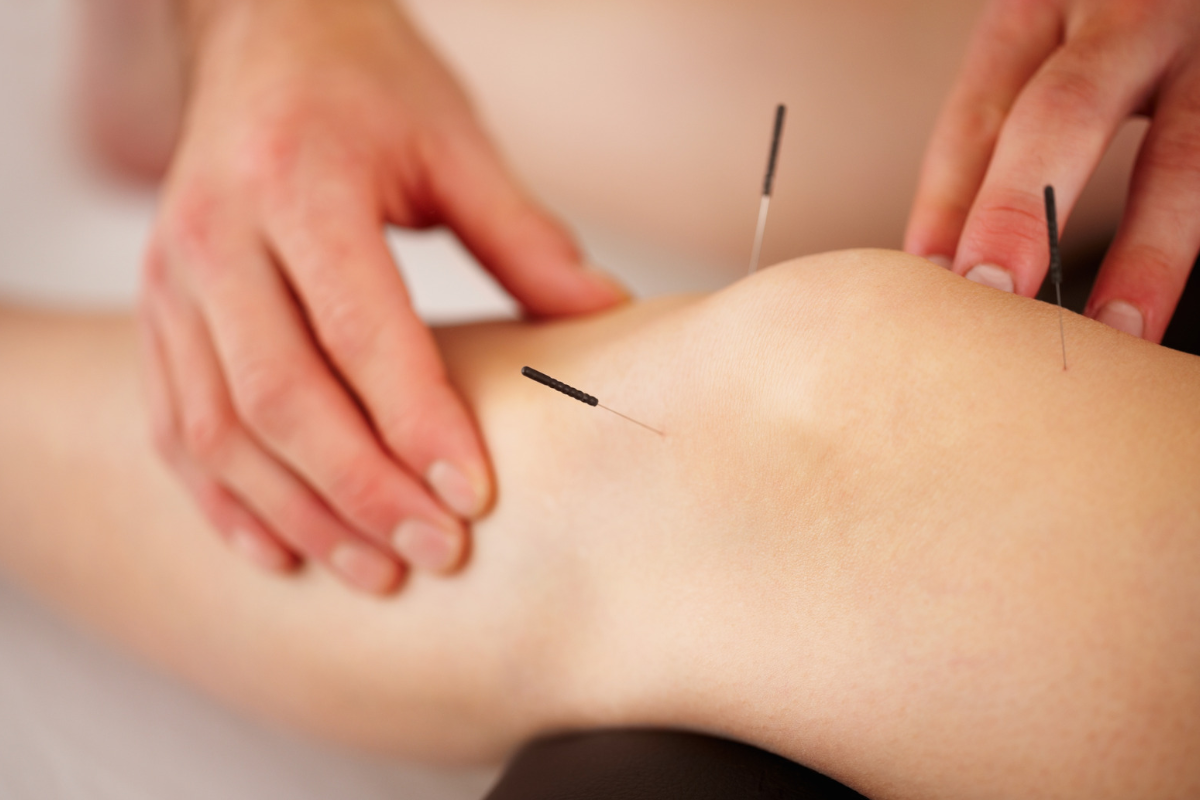
Those findings help guide where needles are placed — often at motor points, areas of a muscle associated with its nerve supply — and sometimes with gentle electrical stimulation. Adrian then repeats the same movements and tests, allowing both you and him to observe and discuss any changes during the appointment.
Re-testing provides useful feedback, but it is important to understand its limitations. A change in a muscle test during an appointment does not prove a lasting effect, and manual muscle testing is not a diagnostic test. Your medical history, a thorough examination and further medical assessment where appropriate remain the foundation of informed clinical decisions.
Movement first
Range of movement and manual muscle tests guide which sites are considered.
Test, needle, re-test
The same checks are repeated after needling so any change can be discussed openly.
Feedback, not a verdict
A change in the room is useful information, not proof of a lasting result.
02 / A little context
A movement-based system for assessment and needling
01 / Background
A modern, movement-focused system
EXSTORE is a recently developed teaching system that organises acupuncture around functional assessment of muscles and movement. The name identifies a training framework, not a separate registration category or a claim of clinical superiority.
02 / Assessment focus
Test, needle, re-test
The approach is built on a repeatable sequence: assess movement and muscle function, needle selected sites, then re-assess. Manual muscle testing involves Adrian's judgement and can vary between sessions and practitioners.
03 / Today
Often part of a broader plan
Because the focus is on muscle function, EXSTORE is often discussed alongside exercise, rehabilitation or care from a physiotherapist or GP. It is one option to discuss, not a replacement for appropriate medical or rehabilitation care.
Practitioner perspective · 01
The reasoning behind the technique
"What I appreciate about EXSTORE acupuncture is that it encourages us to look at how the body moves and functions, rather than focusing solely on where someone feels pain. The assessment helps guide my clinical decisions and gives us a starting point for understanding what's happening."
03 / Inside the process
How does assessment guide point selection?
Say lifting your arm overhead is sore. Rather than going straight to the shoulder, Adrian Taricani would check how the muscles around the shoulder blade and upper arm are working on testing. If some seem to be underperforming, those muscles — often their motor points — become candidates for needling. This example is not a treatment recommendation or a self-needling guide.
Manual muscle testing relies on Adrian Taricani's clinical judgement and can vary between sessions. A muscle that tests weak does not by itself explain the cause of a symptom, and the approach does not replace medical examination or imaging where needed.
Research explores how needling and electrical stimulation may influence muscle activity and the nervous system, but how acupuncture works is not fully understood. A proposed mechanism does not validate this system or predict a clinical outcome. The useful question is what evidence applies to your situation and how any care would be reviewed.
Useful questions to ask
- Why are you considering this technique for me?
- What evidence is relevant to my circumstances?
- What are the alternatives and possible risks?
- How will you decide whether to continue or change the plan?

04 / Clinical judgement
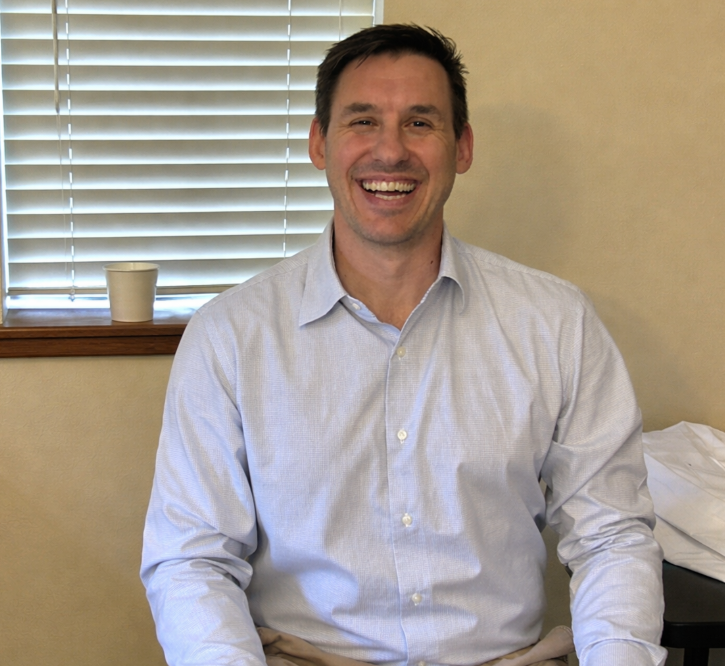
How Adrian Taricani approaches this technique
Every patient is different, and treatment should reflect their individual needs. Adrian Taricani takes a considered approach to EXSTORE Acupuncture, combining movement assessment, muscle testing and clinical judgement to guide treatment decisions.
Training & Experience
Adrian has trained directly with Dr Anthony Lombardi, founder of the EXSTORE Acupuncture system, gaining firsthand instruction in the system's assessment methods, muscle testing techniques and approach to acupuncture point selection. Dr Lombardi developed EXSTORE in 2010 as a structured approach to musculoskeletal assessment and treatment. Learn more about Dr Anthony Lombardi and the EXSTORE system.
Selecting an Approach
Adrian considers your symptoms, movement patterns, medical history and individual circumstances before recommending an approach. EXSTORE is one of several acupuncture techniques available at On Point Natural Medicine, allowing treatment options to be discussed according to your needs and preferences.
Reviewing the Plan
A key feature of EXSTORE is its assess, treat and reassess approach. Adrian may repeat movement and muscle tests following needling to observe any immediate changes. These findings help inform ongoing clinical decisions, while longer-term progress is reviewed in the context of your individual treatment goals.
Practitioner perspective · 02
A considered approach to care.
"Every patient is different, and I don't believe in applying the same treatment to everyone. I take the time to understand your concerns, assess your movement and explain the options available. The aim is to make thoughtful decisions together about the most appropriate approach."
05 / Your visit
What to expect during an appointment
Explain the concern in everyday terms
Tell me where it hurts, when it started and which movements or activities are hard — getting out of the car, lifting a child, a long run. Bring any scans, reports and a medicine list. First we check whether anything needs medical assessment.
Movement and muscle testing
I'll ask you to move through some ranges and resist gentle pressure in a few positions. This shows how particular muscles seem to be working right now. It should not be painful; tell me if any test hurts and we'll change or skip it.
Discuss the findings and give consent
I'll explain what I found, which sites I'm proposing, whether electrical stimulation is involved, the relevant risks and the alternatives. You can ask questions, decline any part of it, or choose not to go ahead.
Needling, with you in control
Single-use sterile needles are used. You may feel a dull ache, pressure or a brief muscle twitch; experiences vary. Tell me about sharp pain, dizziness or anything unexpected and I can adjust, pause or stop. A sensation is not proof that treatment is working.
Re-test and talk about next steps
We repeat the movements and tests. Sometimes there is a noticeable change, sometimes not, and either way it does not settle whether care will help over time. We discuss what to monitor, any exercises, and whether further care or referral makes sense.
Precautions & suitability
Before needling, discuss pregnancy, medicines, bleeding disorders, anticoagulants, skin problems, allergies and any history of fainting. Mention current medical care and any previous reaction to acupuncture. This is not an exhaustive list of precautions.
An individualised assessment does not remove acupuncture risks. Soreness, bruising, minor bleeding and light-headedness can occur. Serious complications, including infection or organ injury, are possible. Ask about the risks relevant to the proposed sites and how they are managed.
Acupuncture should not delay a diagnosis or replace recommended medical care. New or worsening symptoms need medical assessment. Sudden weakness, loss of bladder or bowel control, chest pain or breathing difficulty need urgent medical attention. Call 000 in an emergency.
You may decline treatment or withdraw consent at any time.
“We don’t believe in one-size-fits-all approaches. Every management plan is designed around your unique health story, symptoms, and goals.”
Practitioner perspective · 03
What makes this technique worth understanding
"One of the interesting aspects of EXSTORE is the opportunity to reassess movement after treatment. Sometimes we observe changes during the appointment, and sometimes we don't. Either way, that information helps guide our discussion and how we review progress over time."
Have Questions?
EXSTORE Acupuncture FAQs
What is EXSTORE acupuncture?
It is a modern acupuncture system that uses movement and manual muscle testing to guide needle placement, followed by re-testing to check for any change. It describes an assessment and needling method, not an established explanation of why a symptom developed or a guarantee of benefit.
How is it different from traditional acupuncture?
Traditional Chinese medicine frameworks select points using their own theories of pattern and channel. EXSTORE organises selection around how muscles and joints are functioning on testing. Neither framework is automatically better; the right approach depends on your situation, preferences and the relevant evidence.
Is EXSTORE the same as dry needling?
They overlap — both focus on muscles — but they are not the same. Dry needling usually targets tender or tight bands within muscle. EXSTORE uses a structured test, needle and re-test sequence, often at motor points. Ask your practitioner how they apply either approach and why.
What is manual muscle testing, and how reliable is it?
Adrian Taricani asks you to hold a position while they apply gentle pressure, and judges how well the muscle holds. It can be useful feedback within a session, but it relies on judgement and can vary between testers and days. It is not a diagnostic test and does not replace examination or imaging where needed.
What does research tell us about EXSTORE?
There is research on acupuncture, motor point needling and electrical stimulation for some musculoskeletal problems, with mixed and often limited findings. Research specific to the EXSTORE system is small. General acupuncture evidence cannot automatically establish a benefit for this method. This page is not a systematic review; ask what evidence applies to your situation.
Will I notice a change straight away?
Some people notice a change in movement or muscle testing during the appointment and some do not. An in-session change is not proof of a lasting effect, and no change does not necessarily mean the approach is unsuitable. We review progress over time rather than relying on one re-test.
Do I need to ask for EXSTORE by name?
No technique suits everyone. Discuss pregnancy, medicines, bleeding disorders, a pacemaker or other implanted device (relevant if electrical stimulation is proposed), skin problems and previous reactions to needling. Soreness, bruising, minor bleeding and light-headedness can occur. Serious complications, including infection or organ injury, are possible.
Are there risks, and is it suitable for everyone?
No technique suits everyone. Discuss pregnancy, medicines, bleeding disorders, a pacemaker or other implanted device (relevant if electrical stimulation is proposed), skin problems and previous reactions to needling. Soreness, bruising, minor bleeding and light-headedness can occur. Serious complications, including infection or organ injury, are possible.
08 / Explore the approaches
Other acupuncture techniques
Tung Acupuncture
A traditional style of acupuncture that uses its own system of points, often placing needles away from the area of discomfort. It offers a different approach to selecting acupuncture points.
Tan's Balance Method
An acupuncture technique that looks at relationships between different parts of the body. It uses these connections to guide where needles are placed, sometimes away from the area of concern.
Neoclassical Acupuncture
A modern approach to acupuncture that uses a distinctive system of assessment and point selection. It focuses on identifying which acupuncture points may be appropriate for each individual.
Motor Point Acupuncture
An approach that focuses on specific points associated with muscles and their nerve supply. It involves selecting acupuncture points based on the muscles being assessed.
Dry Needling
A needling technique that focuses on muscles and areas of muscular tension. It uses fine needles placed in selected areas, with the approach guided by an assessment of the muscles.
Electroacupuncture
A form of acupuncture where a small electrical current is passed between selected needles. The stimulation can be adjusted during treatment according to the individual's needs and comfort.
Exstore Acupuncture
A movement-based acupuncture technique that uses muscle testing and range-of-motion assessments to guide needle placement. Movement and muscle function are reassessed after treatment to observe any changes.
09 / Further context
Related conditions & services
These pages provide general context, not an indication that the Exstore Acupuncture is suitable or effective for a particular condition. Individual assessment and relevant evidence remain essential.
Acupuncture
The broader approach, appointment options and technique overview.
Nerve pain & sciatica
Understanding symptoms and when medical assessment matters.
Hip & back pain
General information about assessment and considerations
Soft tissue Therapy
Explore a separate service and discuss its suitability
12 / About your care
Meet Adrian Taricani
With years of clinical experience working with people across Newcastle and the Hunter, Adrian combines his knowledge of Traditional Chinese Medicine with a caring, personalised approach. His experience with acupuncture techniques, including Exstore acupuncture, means taking the time to understand your concerns, explain the different options available and help you make informed decisions about your care.
He is a registered practitioner with the Australian Health Practitioner Regulation Agency (AHPRA) and a member of the Australian Acupuncture and Chinese Medicine Association (AACMA).
📜 AHPRA Registered
🌐 20+ Years Experience
📜 AACMA Member
Ready to get started?
Begin Your Acupuncture Journey in Newcastle Today
Considering personalised acupuncture treatment in Newcastle?
Book your initial consultation at our Georgetown clinic and let's create a plan to help you feel your best.